

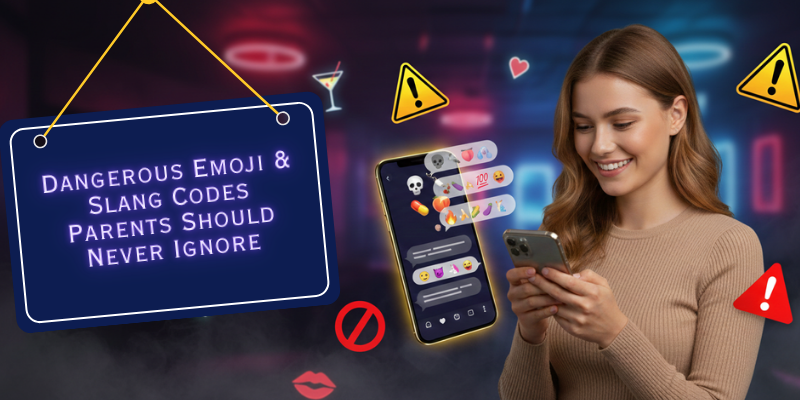
Parents today must navigate a complex digital landscape where teens use coded language and emojis to hide risky behaviors online. This guide helps concerned parents understand the innocent-looking codes that represent dangerous activities like drug use and self-harm. It highlights the popular slang teens use and identifies social media platforms where this communication occurs. Additionally, the guide outlines warning signs to watch for in your child’s behavior and introduces TheOneSpy parental control software as a tool to help monitor and protect them online.
Table of Contents
Getting to know the hidden digital language used by teens today
Behind everyday emojis and short phrases, teens have created a digital language of their own. These coded messages help them communicate quickly, creatively, and sometimes privately in the online world.
Why kids create secret communication codes online
Teenagers naturally crave privacy and independence, especially when discussing topics they know parents might disapprove of. Creating coded language gives them a sense of control over their digital conversations while avoiding confrontation. They use these methods to discuss everything from skipping school and experimenting with substances to romantic encounters and cyberbullying activities.
The evolution from text speak to emoji encryption
What started as simple abbreviations like “LOL” and “BRB” has transformed into sophisticated emoji combinations that can represent drug types, sexual activities, or meeting locations. Modern teens layer multiple coding systems—mixing traditional text speak with emoji sequences and platform-specific slang. This evolution makes their communications increasingly difficult for adults to decipher without specific knowledge of current trends.
Common platforms where coded messages appear
Instagram Stories, Snapchat, TikTok comments, Discord servers, and group chats on messaging apps serve as primary venues for coded communications. Each platform has developed its own subset of coded language based on user demographics and features. Gaming platforms like Roblox and Minecraft also harbor secret communication channels where kids coordinate activities away from parental oversight.
Signs your child may be using hidden communication
Watch for sudden changes in typing patterns, excessive use of seemingly innocent emojis in unusual contexts, or conversations that seem deliberately vague when you glance at their screen. Kids might quickly switch apps when you approach, use terms that don’t match the conversation context, or show anxiety when discussing their online activities. Unusual emoji combinations appearing frequently in their messages often signal coded communication.
Hidden Emoji Codes Every Parent MUST Know
The Secret Language Teens Use for Drugs, Sex & Self-Harm
What looks like innocent emojis and slang on your child’s phone could actually hide dangerous conversations about drugs, sexual activity, self-harm, or even gang violence.
Today’s teens have created a digital code language that most parents completely miss — and by the time the signs are obvious, the damage may already be done.
Dangerous Emoji Combinations Parents Often Ignore
🍍 ❄️ 🌿 🔥 💊 🍭 🍆 🍑 💀 🪒 🔞 🥵 👉 👌 ✊🏻 💦 👅
These aren’t just fun icons. In teen conversations, they often signal drug use, sexual content, depression, or violence.
⚠️ A single emoji may look harmless —
🚩 But combinations tell the real story.
Teens mask drug talk using emojis and slang
- 🍍 = Marijuana
- ❄️ = Cocaine
- 🌿🔥 = Smoking weed
- 💊🍭 = Pills disguised as candy
- 🍄🌈 = Psychedelic drugs
- 🍃 + numbers = Quantity or price
Parents rarely recognize these signals — but dealers do.
Sexual & Inappropriate Emoji Signals
Common emojis often used with sexual intent:
- 🍑 🍆 🍒 = Body parts/virginity
- 💦 🔥 😈 = Explicit desire
- 👅💦 or 🍆🍑 = Clear sexual messaging
These codes are frequently used in DMs, Snapchat, and comment sections.
Self-Harm & Mental Health Red Flags
- 🪒 💊 💔 = Self-harm indicators
- ⚫🖤 = Depression
- 💀🥀 = Suicidal thoughts
- 😭 😢 ⛈️ = Emotional distress
These should never be ignored.
Gang & Violence-Related Emoji Codes
- 🔫 🔪 💀 👊 = Violence or threats
- 💙 / ❤️ = Gang colors
- 👑 💰 = Criminal hierarchy
- Numbers like 13, 14, 18 often reference gangs
Popular Slang Terms That Mask Risky Activities
Code words for illegal substances and drug dealing
Teens disguise drug-related conversations using seemingly innocent terms like “snow” or “flour” for cocaine, “trees” or “broccoli” for marijuana, and “candy” for various pills. Drug dealing gets masked through “pharmacy” references or “shopping” terminology, where dealers become “plugs” or “connects.” Popular codes include “420” for marijuana use, “skiing” for cocaine consumption, and “rolling” for ecstasy effects.
Sexual activity euphemisms teens use online
Online sexual discussions hide behind coded language that parents rarely recognize. “Netflix and chill” implies sexual encounters, while “smash” refers to sexual activity. Teens use “slide into DMs” for initiating romantic contact, “thirsty” for sexual desperation, and “body count” for tracking sexual partners. Dating apps get referenced as “shopping,” and explicit photos become “pics” or simply “content” in their conversations.
Bullying and harassment terminology parents miss
Cyberbullying operates through subtle language that appears harmless to adults. “Roasting” disguises cruel mockery as playful banter, while “throwing shade” masks deliberate insults. Teens use “receipts” when sharing embarrassing screenshots publicly, “canceled” for organized social rejection, and “exposed” for revealing private information maliciously. Group harassment gets labeled as “dragging” someone, making serious psychological abuse sound like casual entertainment to unsuspecting parents.
Social Media Platforms Where Secret Codes Thrive
Snapchat’s disappearing message dangers
Snapchat creates a false sense of security with its vanishing messages, making teens believe their conversations disappear forever. Kids frequently use coded language here, thinking parents can’t monitor temporary content. The platform’s streak culture encourages constant communication, often including risky emoji combinations and slang that bypass parental oversight while appearing innocent.
Instagram and TikTok comment section risks
Instagram and TikTok comments become breeding grounds for coded communication between teens and strangers. Direct messages start innocently through public comments using drug emojis, party codes, or meetup signals. The algorithms push content that normalizes risky behavior, while comment sections allow predators to identify vulnerable teens through their coded responses and engagement patterns.
Discord and the gaming platform’s hidden communications
Gaming platforms like Discord operate on private servers, where teens often feel invisible to their parents. Voice chats, encrypted text channels, and gaming-specific slang create perfect environments for dangerous conversations. Kids join servers dedicated to illegal activities, using gaming terminology to mask real-world meetups, substance exchanges, or inappropriate content sharing while appearing to discuss innocent gameplay.
Text messaging app vulnerabilities
Standard texting apps become vehicles for coded communication through seemingly innocent conversations. Teens layer multiple meanings into normal-looking messages, using timestamp codes, specific emoji sequences, and abbreviated slang that parents miss. Group chats amplify risks as peer pressure intensifies through coded challenges, party invitations, and shared risky content that spreads rapidly among friend networks.
Warning Signs Your Child May Be Using Code Language
- Suddenly hiding their phone
- Deleting chats frequently
- Late-night texting
- Mood swings after phone use
- New “online friends”
- Declining grades or sleep issues
How TheOneSpy Helps Decode Your Child’s Digital Behavior
Real-time message monitoring and translation features
TheOneSpy captures every text message, chat, and conversation across your child’s devices, automatically flagging hidden meanings behind seemingly innocent emojis and coded slang. The software translates cryptic teenage language into clear explanations, helping parents understand what “420,” “Netflix and chill,” or suspicious emoji combinations actually mean in real-time conversations.
Social media activity tracking capabilities
Monitor your teen’s Instagram, Snapchat, TikTok, and WhatsApp activity without them knowing. TheOneSpy tracks posts, comments, direct messages, and story interactions, revealing the full context of your child’s online relationships. The platform identifies when kids use coded language to discuss drugs, parties, or risky meetups across multiple social networks simultaneously.
Alert systems for suspicious emoji and slang usage
Receive instant notifications when your child uses concerning emoji combinations or dangerous slang terms. TheOneSpy’s intelligent alert system recognizes patterns like drug-related emojis, sexual references, or cyberbullying language, sending immediate warnings to your phone. You’ll know within minutes when potentially harmful conversations begin, allowing for timely intervention and protection.
Comprehensive reporting tools for concerned parents
Access detailed weekly and monthly reports on your child’s communication patterns and risk factors. TheOneSpy organizes data into clear dashboards, highlighting concerning trends and providing actionable insights to help parents track behavioral changes and identify when professional intervention may be needed for their teenager’s safety.
Conclusion:
Modern teens have created an entire hidden language using emojis and slang that can completely fly under the radar of even the most attentive parents. From innocent-looking fruit emojis that reference drugs to abbreviations that mask dangerous activities, today’s digital communication requires parents to become detectives in their own homes. The combination of coded language and popular social platforms creates the perfect storm for risky behavior to go unnoticed.
Staying ahead of these evolving communication methods doesn’t mean you need to become fluent in teen slang overnight, but it does mean staying informed and maintaining open dialogue with your kids. Tools like TheOneSpy can bridge the gap between what you see and what’s actually happening in your child’s digital world. The key is finding the right balance between respecting your teen’s privacy and keeping them safe from genuine dangers that lurk behind seemingly harmless messages.


