

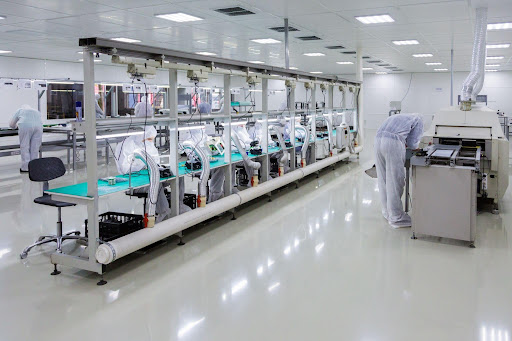
Every day, new gadgets reshape how we live and work across America. From kitchen tools to factory machines, electronics run much of modern life. Yet few stop to think about what makes these devices actually function well. Hidden inside each one sits a careful design by skilled makers. Without their know-how, even the smartest tech would fail quickly. Quality comes not just from parts but from precise building methods. What works smoothly today often started months ago in quiet workshops. Dependability shows up only when every detail gets attention.
Table of Contents
Modern Electronics are Complex
From the first step, quality hinges on how carefully parts come together. When things go wrong during building, the results might include poor function or even danger. Precision lives in the hands of those who know the craft deeply. Through tested methods and smart equipment, steady outcomes take shape. Mistakes as small as a hair can unravel everything later. What holds it all up is experience paired with sharp attention.
The Role of Quality Assurance
One wrong part might fail a heart device. Because of risks like that, factories check work nonstop while building tech gear. Spotting problems early keeps planes flying safely.
Frequent checks happen through machines scanning parts and running performance trials, followed by tough condition trials—these confirm strength and consistent operation.
Efficiency and Scalability in Production
Fueled by rising gadget cravings, firms must adapt their production methods to handle more work smoothly. When rolling out fresh gear or stretching current runs, pushing output higher while keeping standards tight becomes unavoidable. Yet staying sharp at bigger volumes isn’t just helpful—it defines who lasts.
A seasoned maker of electronic devices knows ways to smooth out tasks and cut down on wasted supplies while keeping output moving fast. Because things run more smoothly, spending less becomes possible, helping firms adapt when customer needs shift suddenly. When new ventures or expanding teams lack room to grow, standing still often follows instead of moving forward.
Working With Others To Get Better Outcomes
Midway through making something, picking the right allies really matters. Team up with a steady electronics maker, and you tap into sharper tech, experienced people, and one strong network behind it all.
Working together like this isn’t just about making things. These makers step in as thinking partners, spotting hiccups before they grow, then suggesting real fixes. Because of that foresight, everything runs closer to plan, problems pop up less, and products work better when delivered—exactly what it takes to stay ahead where US competition gets fierce.
Driving Innovation With Skilled Knowledge
What drives the electronics world forward? It’s fresh thinking that keeps things moving. As tech changes fast, firms find themselves always adapting just to keep pace. Those who build the gear bring key know-how early on when ideas take shape. From early sketches to final tweaks, fresh eyes often spot smarter ways to build things. A different material might work just as well or even cut costs without losing quality.
Save Money While Keeping Quality High
Fewer dollars up front might seem smart, yet picking the lowest bid often brings trouble later. A shop with little experience could skip steps, causing flaws, fixes, and late runs—each adding hidden costs down the road.
Out there, good makers care about results because they streamline work while cutting mistakes. Because of their know-how, less gets wasted, systems run smoother, and things stay reliable. When price meets performance just right, companies can actually grow without burning out down the road.
Meeting Rules and Standards
Out of every factory floor, gadgets face a maze of rules just to reach store shelves. Before anything gets sold, it has to pass checks that look at how safe it is, what it does to nature, and whether it works right. The government eyes watch closely throughout.
Electronics manufacturers who have been around a while know these rules inside out, making sure each step follows the law. Because they handle certifications and adhere to standards, approvals move faster—fewer legal bumps along the way.
Complete Support Through Every Stage
Fresh out of ideas? Skilled teams step in early, shaping concepts before anything gets built. Starting with rough models, then checking that everything works—smooth moves carry forward into mass production; care stays through follow-up help long after delivery.
Focusing on one thing at a time becomes easier when a company partners with an electronics maker early. From start to finish, having that single point of contact smooths out hiccups across the entire journey of the product. Innovation gets room to grow because daily pressures shift elsewhere. Marketing plans move forward without stalling. Growth happens more naturally once production details are handled by those who know them best.
Conclusion
Few things matter more than knowing how to build electronics right. Each step—from creating designs to checking standards—relies heavily on real know-how. When the marketplace moves fast, such as across American states, working with teams who’ve mastered production makes all the difference. Skipping expert support here often leads straight to setbacks.
When firms work alongside seasoned makers, they pick up something deeper than factory output something that shifts how they compete. Because of strong know-how, teams build better goods, spark new ideas, and sometimes even stay ahead while everything around them changes fast.


