


War can also cause serious psychological suffering in the minds of children, not only in the context of the war itself but also in the context of everyday life. It is the responsibility of the parents or the mental health workers to protect the minds of the children from the effects of the war, as well as the effects of the content found on the internet.
“How to Protect Kids from War-Related Psychological Damage with TheOneSpy App” offers readers practical, easy-to-follow ideas for addressing the serious issues faced by parents and mental health professionals in the context of war and the internet.
You will learn how to identify the risks found on the internet that can cause more trauma in the minds of children due to the war.
We will also teach you the basic protective features of the TheOneSpy App that can safeguard children’s minds from online content. Finally, you will learn how to develop a comprehensive safety plan by combining online safety with children’s mental health support.
Table of Contents
Understanding War-Related Psychological Trauma in Children
Child psychological trauma as a result of war occurs when children see, hear, or get information about scary events, either through the media or by talking to people. Children are affected by war because they are not as emotionally developed as adults, which means their minds, behaviors, and development may change as a result of their wartime experiences.
Knowing the effect of war on children at different ages helps parents identify the early signs of war trauma in their children, which is essential in providing the appropriate care that makes them feel safe, heard, and understood.
Recognizing Early Warning Signs of Trauma
Children exposed to war-related content often exhibit behavioral changes such as withdrawal from activities they once enjoyed, increased clinginess, or sudden outbursts of anger. Sleep disturbances become common, with nightmares, bedwetting, or difficulty falling asleep. Academic performance may decline as concentration wavers. Physical symptoms include headaches, stomach aches, or changes in appetite. Watch for regression behaviors where older children act younger than their age.
Age-Specific Psychological Responses to War
Preschoolers typically respond through play reenactment, thumb-sucking, or separation anxiety. They struggle to understand the permanence of war’s effects. School-age children develop concrete fears about safety and may obsess over news details. They often blame themselves or worry excessively about family members. Teenagers face identity confusion, risk-taking behaviors, or political radicalization. They understand war’s complexity but lack emotional tools to process trauma effectively.
Long-Term Mental Health Consequences
Untreated war trauma creates lasting psychological scars that extend into adulthood. Post-traumatic stress disorder develops in many children, causing flashbacks and hypervigilance years later. Depression and anxiety disorders become more prevalent, affecting relationships and career prospects. Some children develop attachment disorders, struggling to form healthy bonds. Academic achievement suffers, limiting future opportunities. Without intervention, these effects compound, creating cycles of mental health challenges across generations.
Differences Between Direct and Indirect War Exposure
Direct exposure involves witnessing violence, losing family members, or experiencing displacement firsthand. These children face immediate survival threats and physical danger. Indirect exposure happens through media consumption, hearing family discussions, or living in communities affected by conflict. While less obvious, indirect trauma still triggers stress responses. Digital exposure through social media and news creates new forms of indirect trauma, where children repeatedly view disturbing content without proper context or emotional support.
Identifying Digital Threats That Amplify War Trauma
Violent War Content on Social Media Platforms
Social media algorithms often push disturbing war footage directly into children’s feeds, exposing them to graphic violence, disturbing images of casualties, and traumatic battlefield scenes. These platforms struggle to effectively filter age-inappropriate content, leaving young users vulnerable to sudden exposure to horrific war imagery that can trigger severe psychological distress, nightmares, and lasting trauma responses.
Graphic News Images and Videos
News outlets frequently share uncensored war photography and video footage without adequate content warnings, making it easy for children to encounter disturbing images while browsing online accidentally. These graphic visuals of destruction, injured civilians, and warfare can overwhelm young minds, creating intrusive thoughts and fear responses that persist long after initial exposure to the traumatic content.
Online Misinformation and Propaganda
War-related false information spreads rapidly across digital platforms, confusing children about actual events and manipulating their emotions through fabricated stories and doctored images. This misinformation creates additional anxiety as children struggle to distinguish truth from fiction. At the same time, propaganda specifically targets young audiences with inflammatory content designed to provoke strong emotional reactions and distorted worldviews.
Cyberbullying Related to Conflict Situations
Online harassment often escalates during wartime, with children facing targeted bullying based on their nationality, ethnicity, or perceived political affiliations connected to ongoing conflicts. Bullies exploit war situations to intimidate peers, share threatening messages referencing violence, and create hostile digital environments that compound the psychological stress children already experience from witnessing global conflicts and international tensions.
Essential Features of TheOneSpy App for Child Protection
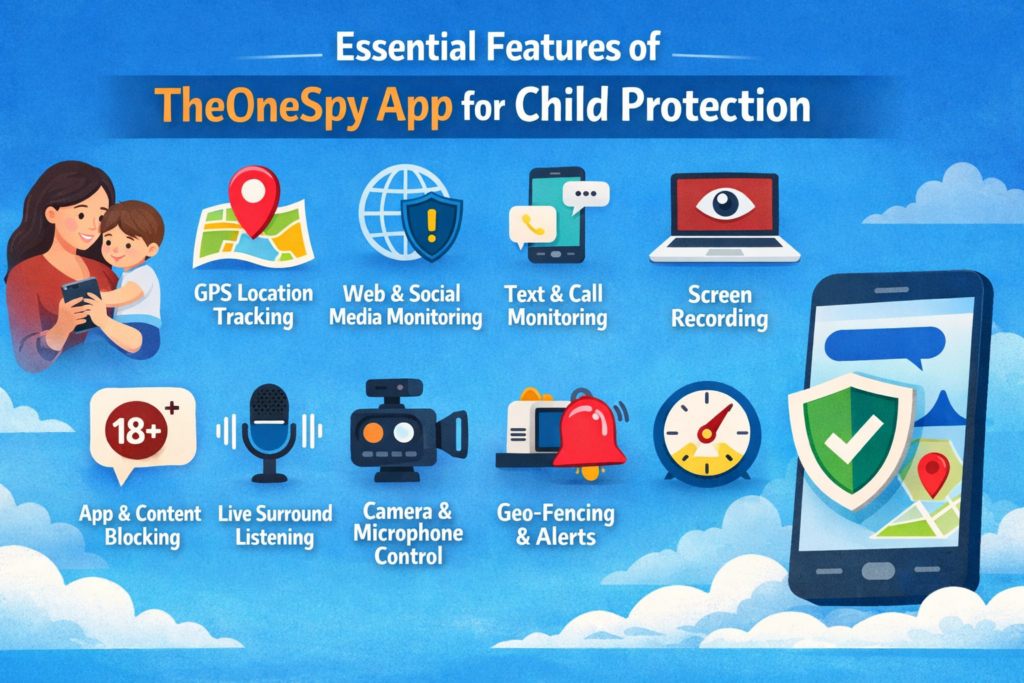
TheOneSpy app has a robust set of tools that can assist parents in creating a safer space on the internet for their children, especially when they are exposed to disturbing content that may impact their mental health.
The features help block harmful war-related content online and help parents understand their children’s online behavior, with both safety and mental health in mind.
Real-Time Screen Monitoring Capabilities
Parents can monitor their children’s digital activities in real time via live screen recording and screenshots. This feature captures everything kids see on their devices, from disturbing war footage to inappropriate content that might worsen their emotional state. The monitoring system runs quietly in the background, documenting harmful exposure without interrupting normal device use, helping parents identify triggers that could deepen psychological trauma.
Social Media Activity Tracking
TheOneSpy tracks all social media interactions across platforms like Instagram, TikTok, and Twitter, where war-related content spreads rapidly. The app monitors comments, direct messages, and shared posts that might contain graphic images or disturbing videos from conflict zones. Parents receive detailed reports about their child’s social media behavior, including time spent on each platform and exposure to potentially traumatic content that could amplify existing psychological distress.
Website and Content Filtering Options
Advanced filtering blocks access to news sites, videos, and online forums containing graphic war content before children encounter them. Parents can create custom blacklists targeting specific keywords related to violence, conflict, and disturbing imagery while maintaining access to educational resources. The system automatically updates its database with new threatening URLs, ensuring comprehensive protection against emerging digital content that could trigger anxiety, nightmares, or other trauma responses in vulnerable children.
Setting Up Comprehensive Digital Safety Protocols
Creating Age-Appropriate Content Filters
- Customize filters based on your child’s age and maturity level
- Block all war-related and violent content for younger children
- Allow only educational content for older kids while blocking graphic material
- Add keyword filters like “bombing,” “casualties,” and “conflict.”
Establishing Safe Communication Channels
- Monitor messaging apps and social media conversations
- Create an approved contact list to avoid unknown users
- Set alerts for sensitive or war-related discussions
- Enable screenshots for flagged conversations to take timely action
Monitoring News Consumption Patterns
- Track browsing history and accessed news sources
- Limit exposure to graphic war news
- Set time restrictions, especially before bedtime
- Generate reports to understand emotional triggers and habits
Blocking Harmful War-Related Content
- Use real-time blocking for disturbing images and videos
- Restrict access to harmful or sensational websites
- Set alerts for late-night or unusual activity
- Enable automatic updates to block new threats and content
Building Emotional Resilience Through Digital Wellness
Promoting Positive Online Experiences
TheOneSpy app helps parents curate uplifting digital environments by filtering content that promotes creativity, learning, and social connection. Parents can redirect children toward age-appropriate platforms featuring educational games, virtual art classes, and supervised video calls with distant family members. This proactive approach creates digital sanctuaries where children can explore technology while maintaining emotional stability during challenging times.
Encouraging Educational Content Over News
Smart content filtering through TheOneSpy allows parents to replace distressing news feeds with enriching educational materials. Children benefit from interactive science experiments, virtual museum tours, and storytelling apps that stimulate cognitive development without exposure to traumatic imagery. This strategic content substitution helps young minds focus on growth and discovery rather than dwelling on conflict-related information that can trigger anxiety.
Creating Technology-Free Safe Spaces
TheOneSpy’s scheduling features enable parents to establish device-free zones during critical emotional processing times. These protected periods allow children to engage in physical play, creative expression, and face-to-face conversations without digital distractions. Regular technology breaks help children develop healthy coping mechanisms while strengthening real-world relationships that serve as emotional anchors during uncertain times.
Professional Support Integration with Digital Monitoring
Connecting with Child Psychologists
Digital monitoring data serves as a powerful bridge between parents and mental health professionals. TheOneSpy’s detailed reports help child psychologists understand your child’s online exposure patterns, including traumatic war content consumption and behavioral changes. Share screen time analytics, search history, and communication logs with licensed therapists to provide comprehensive context for professional assessments and targeted therapeutic interventions.
Documenting Concerning Online Behaviors
Systematic documentation transforms scattered observations into actionable insights. Record specific timestamps when children access disturbing war footage, engage with violent gaming content, or exhibit changes in online communication patterns. Take screenshots of interactions, note the duration of exposure to traumatic content, and track behavioral shifts following specific digital encounters. This evidence-based approach helps professionals identify triggers and develop personalized treatment strategies.
Creating Evidence-Based Intervention Plans
Professional intervention requires concrete data to be effective. Combine TheOneSpy monitoring reports with clinical assessments to develop targeted treatment protocols. Mental health experts can analyze patterns in your child’s digital behavior, correlate online activities with offline emotional responses, and design specific interventions addressing war-trauma symptoms. Regular data reviews ensure treatment plans remain responsive to changing digital exposure patterns and therapeutic progress.
Coordinating Family Therapy Approaches
Digital monitoring improves family therapy. It provides clear data about screen time and device use. Therapists can better understand family habits. They can guide parents on healthy digital boundaries.
TheOneSpy data shows which family members need more support. It also helps therapists create better communication strategies. These strategies support both digital safety and emotional healing.
Children affected by war face serious mental challenges. These can impact their growth and well-being. Protecting them from harmful content and cyberbullying is essential. At the same time, they need emotional support.
TheOneSpy helps parents create a safer digital space. It monitors online activity and blocks harmful content. It also supports open communication within the family.
However, technology alone is not enough. Children also need counseling and emotional care. When combined, these efforts help children heal and grow stronger.
Conclusion
Protecting children from war-related trauma isn’t just about blocking harmful content; it’s about building a safe, supportive world for them both online and offline. Tools like TheOneSpy can help reduce exposure, but real protection comes from care, communication, and emotional support.
When technology and empathy work together, children can stay safe, strong, and emotionally resilient even in difficult times.


