

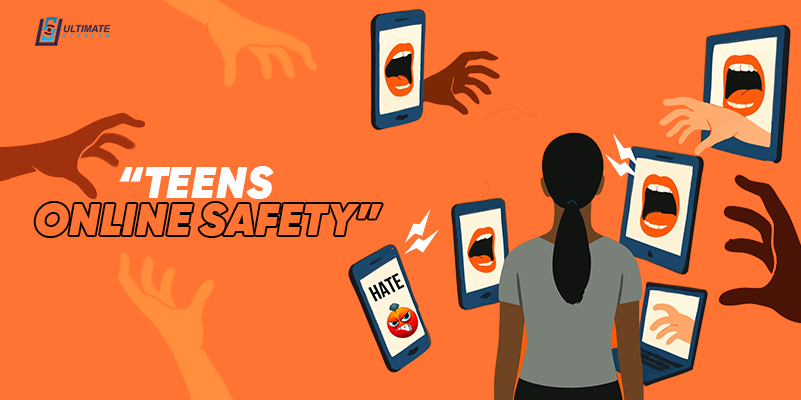
Teens face more sophisticated digital dangers than ever before. Parents watching their children navigate smartphones and social media in 2026 need to understand threats that didn’t exist just a few years ago.
This guide is for parents of teenagers who want practical strategies to protect their kids without invading their privacy. You’ll learn how to spot warning signs and respond effectively when digital threats emerge.
We’ll explore the latest social media platforms and their hidden risks that catch most parents off guard. You’ll also discover how modern apps manipulate teen emotions and mental health in ways that are hard to detect. Finally, we’ll share monitoring approaches that actually work with today’s tech-savvy teenagers.
The digital landscape is constantly evolving, but smart parental strategies can help keep your teen safer online.
Table of Contents
Emerging Digital Threats Targeting Teens in 2026
1. AI-Powered Cyberbullying & Deepfake Harassment
Cyberbullying has evolved into something far more dangerous. Artificial intelligence allows bullies to:
- Create deepfake videos, placing teens in fake but realistic situations
- Clone voices to fabricate embarrassing or offensive audio
- Analyze social media behavior to attack emotional weak points
These attacks spread quickly and can severely damage a teen’s mental health and reputation.
Warning signs for parents:
- Sudden withdrawal from friends
- Fear of school or social media
- Emotional breakdowns without clear reasons
2. Grooming Through Gaming Platforms
Online games are no longer just games; they’re social networks.
Predators now:
- Spend months building trust through shared gameplay
- Offer rare in-game items or crypto rewards
- Move conversations from public chats to private voice channels
Because predators often pretend to be teens themselves, parents may never suspect danger.
3. Cryptocurrency & NFT Scams Targeting Teens
Tech-savvy teens are prime targets for online financial scams.
Common tricks include:
- Fake NFT projects using popular characters
- Discord servers promoting “exclusive investments.”
- Fake trading appsare stealing personal data
Scammers rely on urgency and hype, pushing teens to act before asking parents.
4. AI-Based Sextortion Schemes
One of the most disturbing trends involves AI-generated explicit images.
Criminals:
- Create fake nude images using public photos
- Threatened to share them unless paid
- Target teens from specific schools for maximum embarrassment
Many victims comply out of fear, even when the images aren’t real.
Social Media Isn’t as Safe as It Looks

Many teens believe that disappearing messages and stories protects them from long-term consequences. Apps like Snapchat and Instagram encourage this false sense of security. In reality, screenshots, screen recordings, and data storage mean that very little online truly disappears. Content shared impulsively at 15 can resurface years later in ways teens never expect.
Virtual reality social platforms add another layer of risk. In these immersive environments, interactions feel more personal and intense than text-based chats. Predators can isolate teens in private virtual spaces and use voice and proximity to manipulate emotions. Because these interactions happen in real time and often through headsets, parents monitoring phones may never notice anything suspicious.
Behind the scenes, algorithms quietly shape what teens see every day. Social media platforms track emotions, interests, and engagement, then push content designed to keep users hooked. For vulnerable teens, this can mean being fed harmful material related to self-harm, body image, drugs, or extreme beliefs, often without actively searching for it.
Privacy Is Disappearing Faster Than Parents Realize
Privacy is fading quicker than parents realize. Many apps collect excessive data, including biometric information like facial features and voice patterns, often without clear consent. Location tracking poses another major issue, with apps logging movement even when teens aren’t sharing their location, creating detailed profiles of their daily lives.
AI chatbots are increasingly present in teens’ lives, promoting emotional openness and encouraging the sharing of personal information. Unfortunately, these conversations are stored and analyzed, contributing to psychological profiles that could be used for manipulation.
Mental Health Impact on Teens

Personalized Addiction Algorithms
AI feeds content designed to:
- Trigger dopamine-driven engagement
- Exploit anxiety, stress, or loneliness
- Create compulsive and addictive usage patterns
Teens with emotional vulnerabilities are targeted the most.
Body Image & Filter Culture
Advanced filters:
- Alter facial structure in real time
- Set unrealistic beauty standards
- Make teens reject their natural appearance
This leads to increased cases of body dysmorphia and low self-esteem.
Sleep Disruption
Immersive digital experiences:
- Suppress natural melatonin production
- Disrupt healthy sleep cycles
- Reduce emotional control and focus
Sleep-deprived teens become more vulnerable to manipulation.
Protecting Teens Without Breaking Trust
Teens online safety is less about strict control and more about awareness. Constantly checking messages or monitoring every interaction can damage trust and push teens to hide their digital lives. A more effective approach is watching for overall patterns such as sudden emotional changes, unusual secrecy, or shifts in online behavior, which often signal that something isn’t right.
Many parents now use parental safety tools to support this balance. Solutions like TheOneSpy, FonSee, Bark, and Net Nanny help identify potential risks such as cyberbullying, predatory contact, or exposure to harmful content without requiring parents to read every private conversation. When used transparently, these tools serve as quiet safeguards rather than intrusive surveillance.
Most importantly, open communication remains the foundation of online safety. Teens are far more likely to seek help when they feel understood instead of judged. Regular, honest conversations about digital risks paired with shared rules and evolving family digital agreements help teens build the confidence and awareness they need to navigate the online world responsibly.
Final Thoughts
The digital world teens navigate today is complex, fast-moving, and often hidden from adult view. From AI-driven harassment to emotional manipulation and data exploitation, the risks are real, but they are manageable.
Protecting your teen isn’t about constant surveillance. It’s about staying informed, building trust, and teaching skills that will last a lifetime. With open dialogue, smart boundaries, and supportive tools like TheOneSpy parental control app, parents can help teens grow into confident, digitally resilient adults.


