

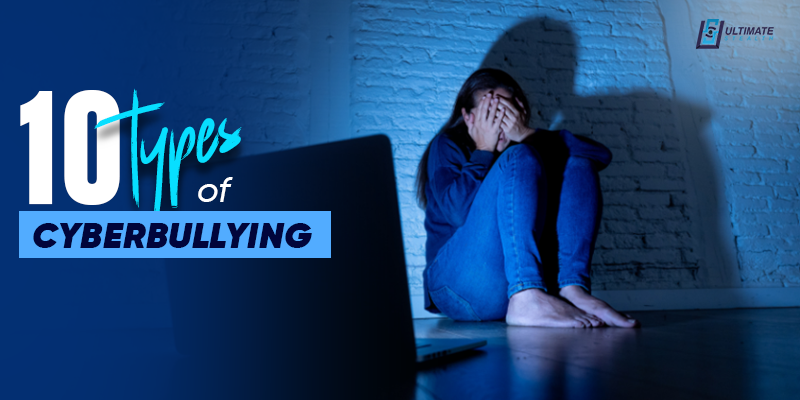
Cyberbullying has become one of the biggest online safety concerns today. It doesn’t always look the same—there are many different ways someone can be bullied online. Understanding these types can help you recognize them early and take action to protect yourself or someone you care about.
Here are the 10 main types of cyberbullying, explained in a simple and easy-to-read way.
Table of Contents
1. Social Exclusion
Social exclusion happens when someone is intentionally left out of online groups, chats, games, or discussions.
It can feel isolating and hurtful when your friends create a group chat or gaming team and deliberately leave you out.
Example:
A group of classmates creates a private Instagram group but chooses not to include one student on purpose.
2. Harassment
Harassment involves repeated, offensive, or threatening messages sent through texts, emails, DMs, or comments.
While bullying is usually connected to personal relationships, harassment becomes more serious when a protected identity such as gender, religion, or disability, is targeted.
Example:
Receiving repeated abusive messages on social media.
3. Outing or Doxing

Outing means sharing someone’s private information, secrets, or images without their permission.
Doxing is the more extreme version, where personal data like phone numbers or addresses are leaked.
Example:
Posting someone’s private chat or embarrassing photos online.
4. Trickery
Trickery happens when someone pretends to be trustworthy, gains your confidence, and then shares your private details or uses them against you.
Example:
A friend convinces you to share a secret and later posts it publicly.
5. Cyberstalking
Cyberstalking includes constant monitoring, threatening messages, or behavior meant to make someone feel unsafe.
It can involve tracking someone’s online activity or sending intimidating texts.
Example:
A person repeatedly messages “I’m watching you” or follows your accounts everywhere.
6. Fraping
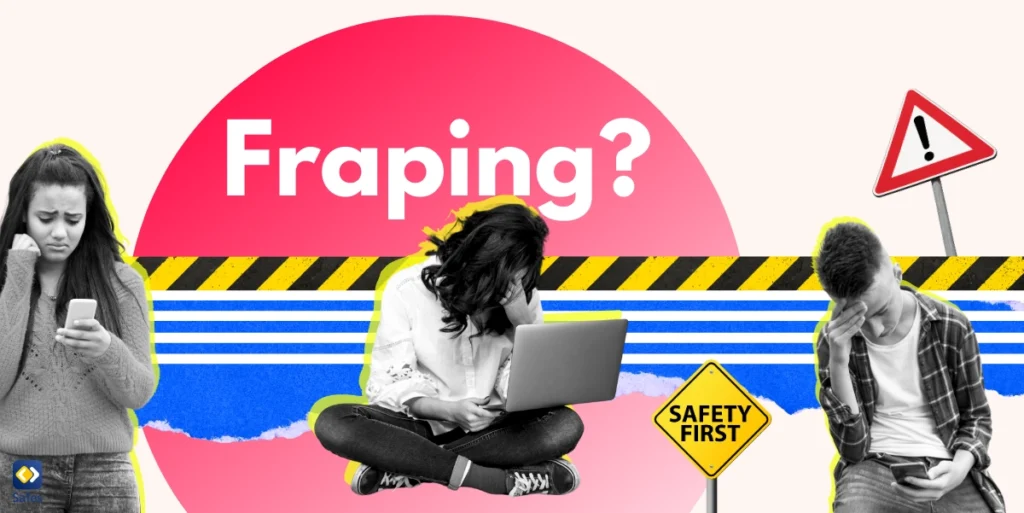
Fraping happens when someone logs into your account—either because they know your password or find your device unlocked—and posts embarrassing or harmful content pretending to be you.
Example:
Someone uses your Facebook account to post inappropriate jokes under your name.
7. Masquerading / Impersonation
This is when a bully creates a fake profile or fake identity to harm someone.
They might pretend to be you or pose as someone else to spread rumors, insult others, or damage reputations.
Example:
A fake Instagram account created using your photos but used to send rude messages.
8. Dissing
Dissing is the act of spreading cruel information, gossip, or false rumors online to hurt someone’s reputation.
It is often done through posts, comments, or private messages.
Example:
Sharing edited images or lies about someone to make others dislike them.
9. Trolling
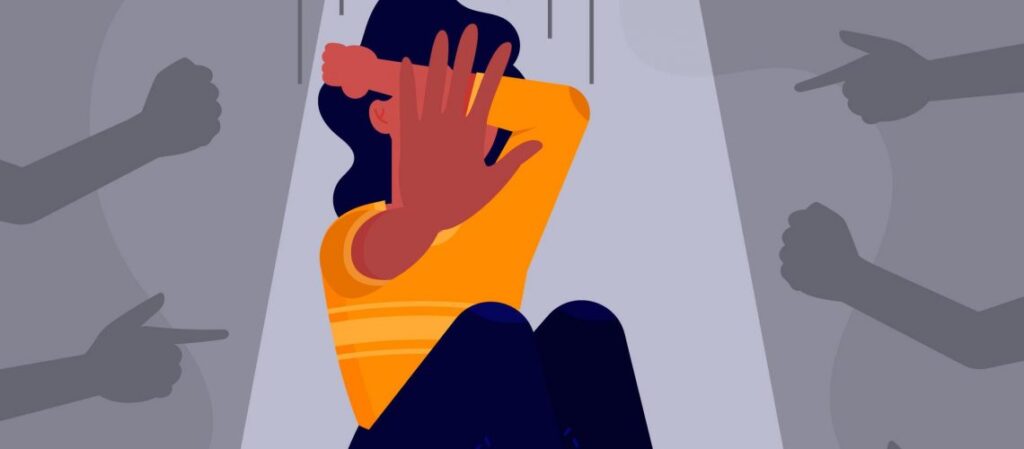
Trollers post irritating, offensive, or provocative comments just to upset others or create arguments.
Their aim is usually entertainment or attention, but the impact can be very hurtful.
Example:
Commenting hateful statements under someone’s videos or pictures.
10. Flaming
Flaming is similar to trolling but more aggressive.
It includes online fights, heated arguments, and hostile messages often filled with profanity or threats.
Example:
A public argument full of insults in a gaming chat or group comment section.
Why Understanding These Types Matters
Cyberbullying isn’t just an “online problem.” It has a real impact on how a person thinks, feels, and behaves in everyday life. When someone constantly faces negative comments, threats, or online humiliation, it can seriously affect their mental and emotional health.
1. It Affects Mental Well-Being
Students and teens who are bullied online often experience:
- Anxiety — Feeling scared, nervous, or worried every time they check their phone.
- Depression — Feeling sad, hopeless, or losing interest in things they once enjoyed.
- Stress — Constantly worrying about what others might post or say next.
These feelings can build up over time and make daily life difficult.
2. It Impacts Behavior and Social Life
Victims of cyberbullying may:
- Pull away from friends and family
- Stop participating in group activities
- Avoid school or online spaces
- Become quiet, withdrawn, or isolated
They may feel embarrassed or scared to talk about what’s happening, which makes the situation even harder.
3. Early Recognition Prevents Long-Term Harm
When teachers, parents, or friends understand the different types of cyberbullying, they can notice the warning signs sooner.
This means:
- The victim can get help faster
- The bully can be stopped early
- Emotional damage can be reduced
- Long-term issues like low self-esteem or trauma can be prevented
How Parental Controls Help Prevent Cyberbullying
Along with understanding the different types of cyberbullying, it’s also important to know how parents can support kids online. Parental control tools give families an extra layer of safety by blocking harmful content, managing screen time, and sending alerts when something concerning happens. These tools don’t replace trust or communication, but they help create a safer digital space where students can explore confidently and avoid many online risks.
How to Protect Yourself Online
- Don’t respond to hurtful messages—block and report instead.
- Keep your social media accounts private.
- Avoid sharing sensitive information like passwords, addresses, or personal photos.
- Save screenshots as evidence if someone threatens or harasses you.
- Talk to a trusted adult, guardian, or teacher if you feel unsafe.
- Always use strong passwords and avoid logging in on shared devices


Peer pressure and emotional impulsiveness can push individuals into risky online behavior, often leading to serious outcomes like cyberbullying, emotional distress, blackmail, and long-term privacy violations. It’s important to stay aware, think before reacting, and make responsible choices to protect yourself and others.