


Social media never fails to surprise us. Every few weeks, users across platforms come up with a new viral trend—some funny, some risky, and some downright confusing. One such trend that has gained massive attention recently is the “Naked Challenge.” Although the name sounds bold, the reality behind the challenge reveals several layers of psychology, digital culture, risks, and the growing need for online safety.
In this blog, we will break down everything you need to know about the Naked Challenge: where it started, why it became viral, the dangers behind it, its impact on young users, and what parents and guardians can do to ensure safety in a world full of unpredictable internet challenges.
Table of Contents
What Is the Naked Challenge?
The Naked Challenge is a reaction-based trend in which a person appears unclothed in front of their partner (usually in a private setting) and records their reaction. The clip is then shared online—mainly on TikTok but also on Instagram Reels, Facebook, Snapchat, and other short-video platforms.
While the challenge is often meant to be humorous and playful, it touches on themes of privacy, boundaries, and digital responsibility. The reason this challenge caught fire is that it relies on a “surprise element,” which viewers naturally find entertaining.
Importantly, the challenge does not require displaying explicit footage online—most people crop or blur sensitive parts—but the concept alone makes it controversial, especially when shared publicly.
How Did This Trend Become Viral?
The Naked Challenge became popular during the post-pandemic era when people were consuming more online content than ever before. Platforms like TikTok thrive on short, surprising, high-energy clips, and the challenge fits perfectly into that ecosystem.
Some major reasons behind its viral growth include:
1. Reaction-Based Content Performs Well
People love watching authentic emotional responses—whether funny, shocked, confused, or amused. Reaction videos have always performed strongly on social media.
2. The Trend Is Easy to Recreate
Most viral challenges become popular because anyone with a smartphone can replicate them. The Naked Challenge requires:
- a camera
- a willing partner
- a private space
This simplicity made it easily accessible to millions.
3. The Element of Surprise
Human beings are naturally intrigued by unexpected reactions. The challenge plays on curiosity, humor, and unpredictability—ingredients that drive virality.
4. Increased Time Spent Online
During and after global lockdowns, users turned to social media for entertainment and connection. This increased screen time accelerated the spread of such trends.
Why Is the Challenge Controversial?
Although many adults participate consensually, the challenge raises serious concerns when it reaches younger audiences. Social media trends do not discriminate by age—content spreads universally, mixing adults and teenagers on the same feed.
Here are the major reasons the challenge is raising eyebrows:
1. It Encourages Risky Behavior
Viral challenges often influence younger users, who may try to imitate trends without understanding consequences. Even if they do not intend to post inappropriate content, recording such moments creates a long-lasting digital risk.
2. Loss of Privacy
Once something is recorded, it can be:
- accidentally uploaded
- leaked
- misused
- saved by third-party apps
A moment meant to be private may become public in seconds—often permanently.
3. Digital Footprint Issues
Young users are often unaware that the internet never forgets. Even deleted videos can:
- remain in cloud backups
- be stored on someone else’s device
- circulate through reposts or downloads
This can affect a person’s mental health, relationships, reputation, or even future opportunities.
4. Potential Misuse by Strangers
Any trend involving intimacy—even indirectly—can attract unwanted attention or exploitation. Hackers can use video-editing tricks, phishing links, or “fake filters” to manipulate users into dangerous scenarios.
Impact on Teenagers and Young Adults
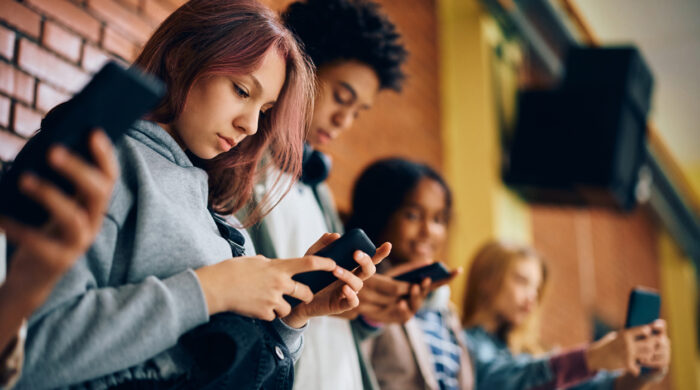
While adults participating consensually is their personal choice, the real concern is how the trend reaches young audiences. Teenagers often imitate influencers without fully understanding boundaries or consequences.
1. Peer Pressure and Online Validation
Many teens feel pressured to:
- follow trends
- gain likes
- increase followers
- fit in with online communities
This pressure may push them toward unsafe decisions.
2. Misunderstanding Boundaries
Young users may:
- record sensitive videos without consent
- share clips impulsively
- underestimate the permanence of digital content
This can lead to emotional stress or conflict later.
3. Increased Curiosity
Trends with bold or provocative themes naturally pique curiosity, especially among younger audiences who are still learning about privacy and personal boundaries.
Why Parents Should Be Concerned
The article from TheOneSpy highlights concerns from a parental point of view—and rightfully so. With millions of teenagers using TikTok, Snapchat, and Instagram daily, supervision becomes complicated.
Parents should be aware that:
- Algorithms often push viral content to everyone, regardless of age.
- Teens may try trends secretly to avoid parental judgment.
- Even if a child does not participate, constant exposure can influence their thinking.
Signs a Teen Might Be Engaging in Risky Online Trends
- increased screen time
- sudden secretive behavior about their phone
- deleting browsing or chat history
- using “private accounts” to hide content
- participating in challenges that their peers talk about
The Role of Parental Monitoring Tools
This is why many cybersecurity experts recommend that parents use reputable parental-monitoring and digital-wellbeing apps—such as TheOneSpy, Bark, FonSee, or similar tools to help guide healthy and safe technology use. These apps can help parents:
- Protect children from harmful or age-inappropriate content. Filters and content-monitoring features alert parents when their child may encounter violence, explicit material, or unsafe online communities.
- Monitor online interactions for signs of cyberbullying or grooming. Many tools use keyword alerts, behavior analysis, or pattern recognition to flag potential risks.
- Manage screen time and device usage. Parents can set daily limits, schedule downtime, or block apps during school, homework, or bedtime.
- Track a child’s physical location for safety. GPS monitoring and geofencing can notify parents when a child arrives at—or leaves—specific locations like school or home.
- Encourage open communication. Most modern parental-control platforms emphasize helping families start conversations about digital safety, privacy, and responsible online behavior.
- Teach healthy digital habits. Usage reports help families understand screen-time patterns and build balanced, mindful routines.
Such tools create a safer online environment while teaching children healthy boundaries
Digital Safety Tips for Families
Here are practical safety measures for parents and teens:
✔️ Have Open Conversations
Discuss:
- online privacy
- Consequences of recording sensitive videos
- How trends can mislead
Healthy communication builds trust.
✔️ Set Clear Rules for Social Media
Establish boundaries about:
- Which apps are allowed
- What type of content can be shared
- screen time limits
✔️ Encourage Critical Thinking
Teach teenagers to ask:
“Is this safe?”
“Would I be okay with this being online forever?”
“Could this be misused?”
✔️ Use Monitoring Tools Responsibly
Use parental apps not to control—but to protect.
Conclusion:
The Naked Challenge may seem like a harmless, humorous, couple-oriented trend, but it carries potential risks, especially for young users. Social media evolves rapidly, and not every trend is safe to imitate. Understanding digital boundaries, promoting awareness, and encouraging responsible online behavior are more important than ever.
As this trend continues to spread, families, content creators, and platforms must work together to ensure that entertainment does not come at the cost of safety and privacy.


